 Boat Ramps Nearby
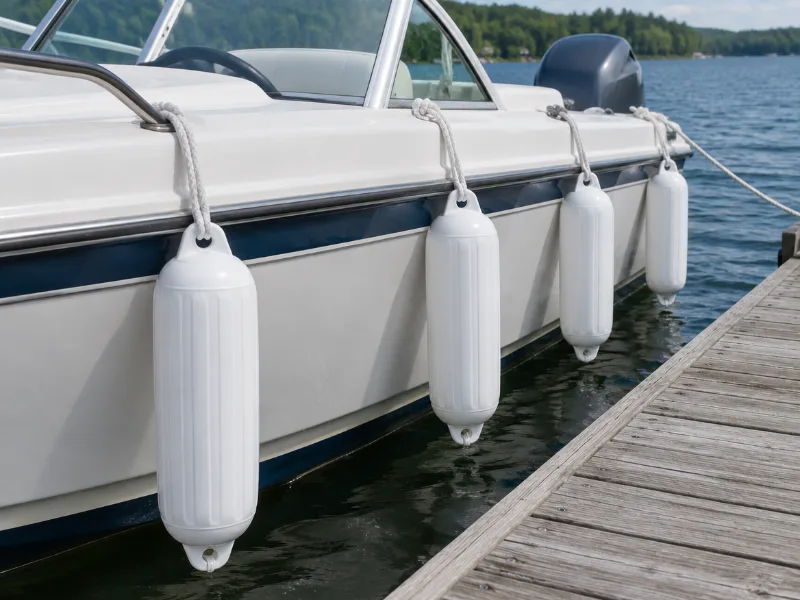 Illustration
 Ramp etiquette
12 rules regulars expect you to know
Staging, courtesy docks and the Clean, Drain, Dry laws that can bring a fine.
Ramp etiquetteYou don't need a boat to catch fish. Public fishing piers, fishing docks and shore access sites put you over deeper water or along a good bank. We list 915 of them in 49 states, from long ocean piers to small dock platforms on lakes and rivers.
Piers close after storms and for repairs, so check with the city, county or park before a long drive. Know a pier we're missing? Tell us.
Illustration Ramp etiquette
Staging, courtesy docks and the Clean, Drain, Dry laws that can bring a fine.
Ramp etiquette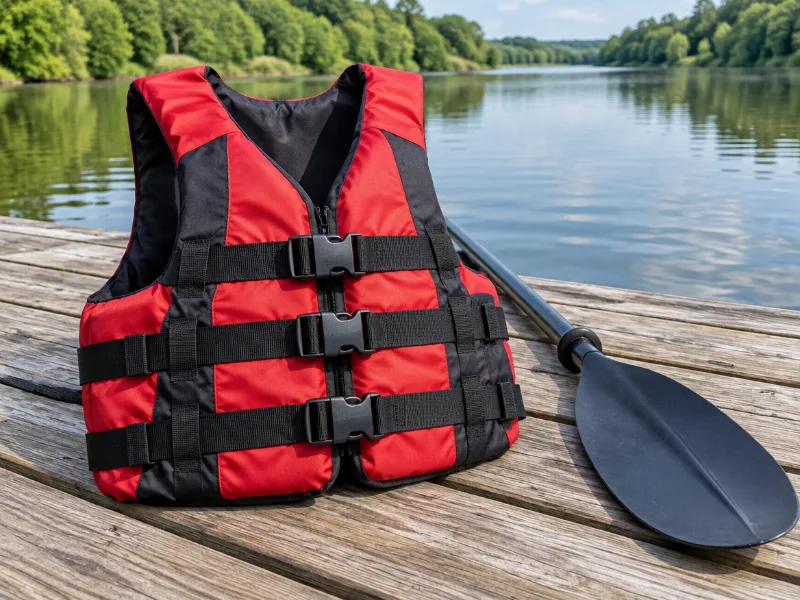 Illustration
 Life jackets
What the Coast Guard requires on kayaks and canoes, and kids' vests with head support.
Life jacket rulesEnter your city or ZIP code on the map and choose the fishing pier filter. The list sorts piers and fishing access sites by distance.
In most states, yes. A few coastal states sell a pier license or cover licensed public piers, so you may not need your own license there. Florida, California and some other states have such rules, but details change, so check your state wildlife agency before you fish.
Many city and county piers are free. Others charge a small daily fee or parking. 29 of the 915 piers and fishing spots here are marked free in the map data. Missing fee information does not mean a spot is free.
A fishing pier is a dock or platform built out over the water. A fishing access site is a public spot on the shore, often with parking and sometimes a small ramp. We list both, because both let you fish without a boat.